No products in the cart.

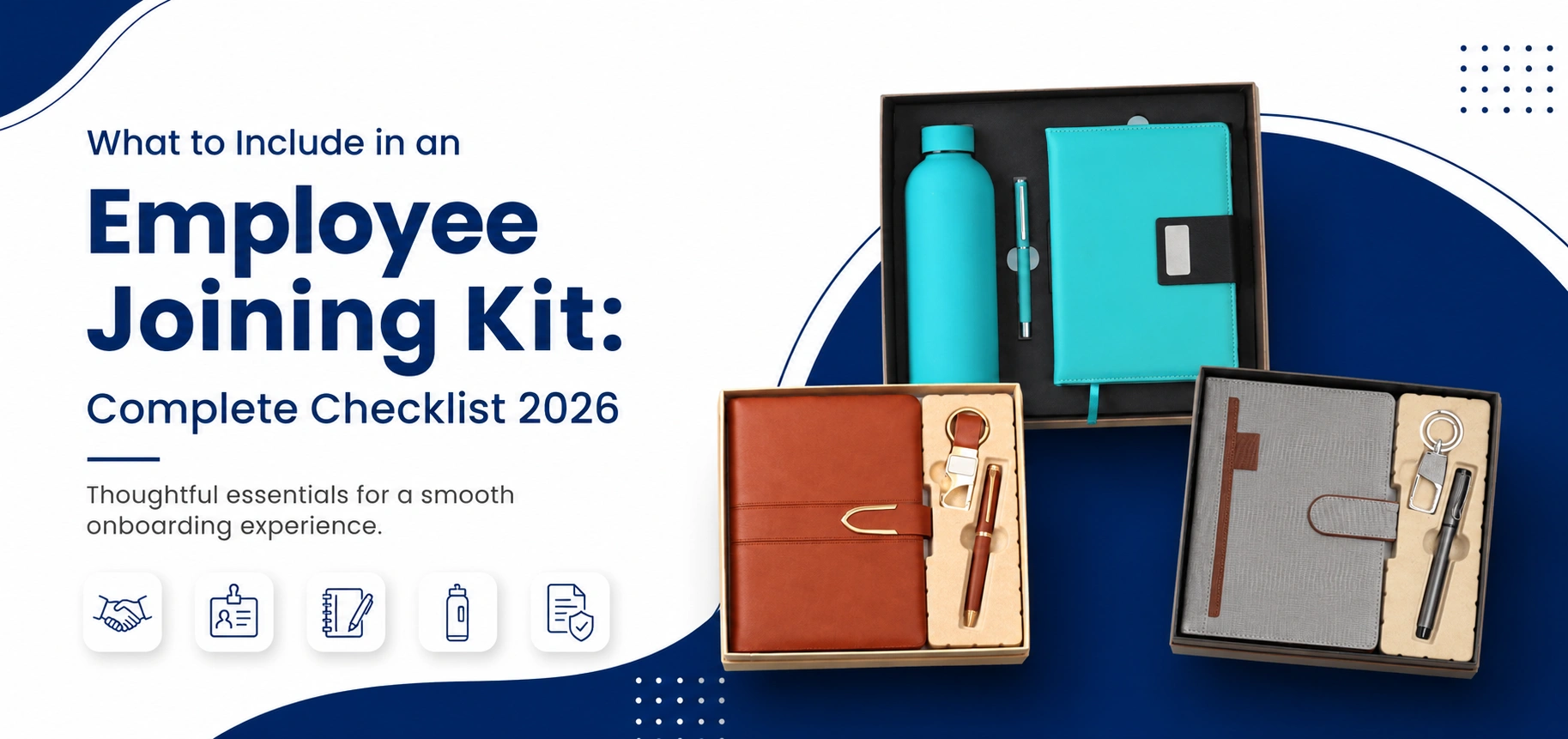
What to Include in an Employee Joining Kit Complete Checklist 2026

What to Include in an Employee Joining Kit: Complete Checklist 2026

Most HR teams don’t struggle with whether to give a new hire a joining kit – that decision is usually made early. What they struggle with is the list itself: what actually goes in the box, what’s optional, what looks nice but never gets used, and what quietly gets left out until someone points out the new hire didn’t even get a pen.

This is a checklist, not a mood board. It’s built to be handed to whoever is packing the kits – HR, admin, or your gifting partner – so nothing essential gets missed and nothing unnecessary gets added.

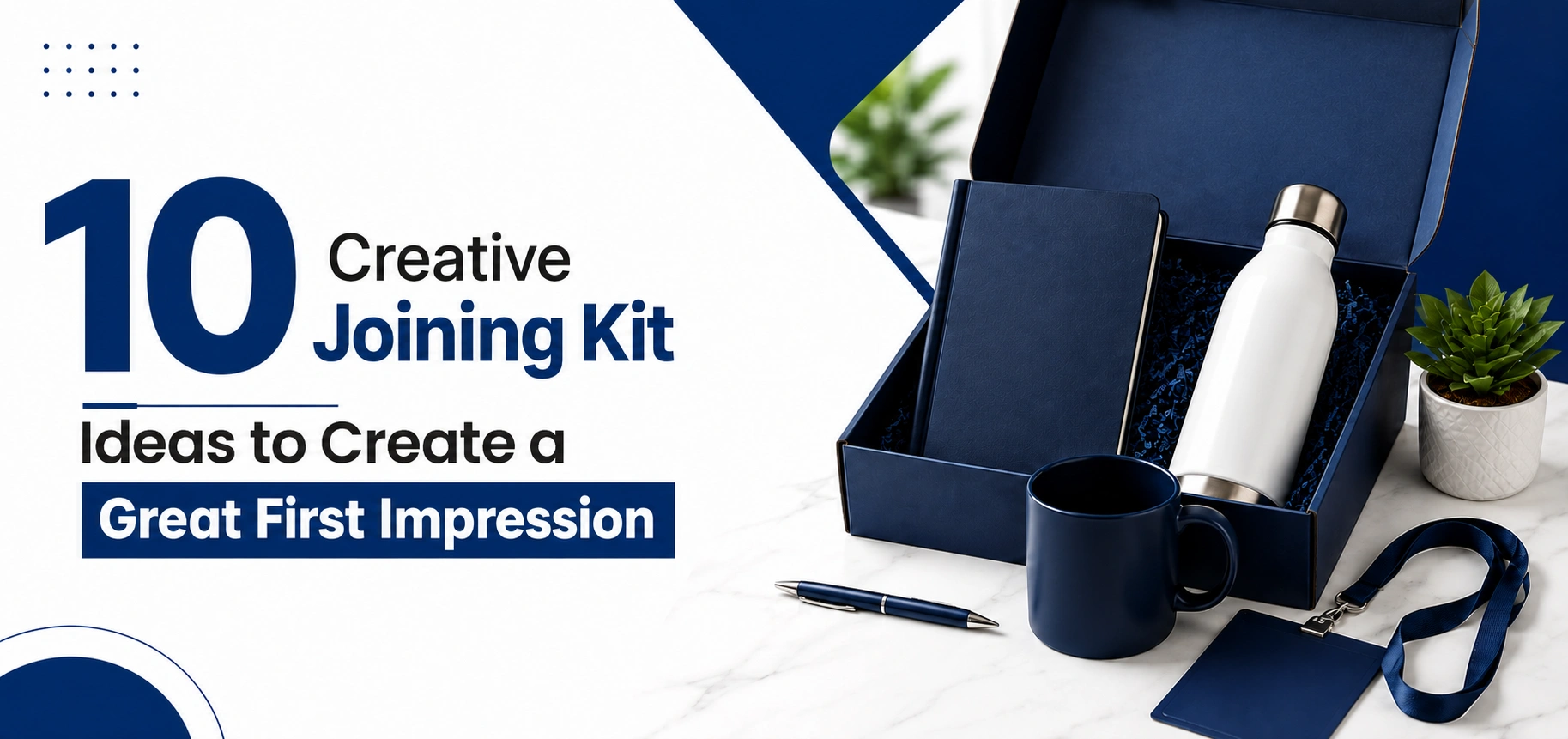
If you’re still deciding on a theme or looking for inspiration first, our post on 10 creative joining kit ideas for new employees is a good starting point. This guide picks up from there – once you know the type of kit you want, use this checklist to fill it correctly.

Why a Checklist Matters More Than a Theme

A joining kit with a great theme but a poor checklist still fails. Employees don’t remember the box – they remember whether the things inside were actually useful on day one. A checklist approach solves three common problems:

  • Inconsistency across batches – without a fixed list, kit #12 in a hiring drive looks nothing like kit #1
  • Budget creep – items get added one at a time until the per-kit cost is far higher than planned
  • Missed essentials – practical items (ID holder, charger, stationery) get skipped in favour of “nicer” branded merchandise

A checklist keeps the kit consistent, on-budget, and genuinely useful – which is the actual goal of a new employee welcome kit in the first place.

Complete Employee Onboarding Kit Checklist for 2026: 5 Categories to Cover

Group your kit into five categories. Not every category needs every item – use this as a menu to build from, based on role, budget, and whether the employee is in-office or remote.

1. Documentation & Day-One Essentials

These aren’t exciting, but a kit without them isn’t complete – they’re what actually gets used in the first hour.

  • Offer letter / appointment letter copy
  • Employee ID card or ID holder
  • Company handbook or policy booklet
  • Org chart or “who’s who” sheet
  • Emergency contact / HR contact card
  • Login credentials sheet (IT-issued, sealed)
  • Parking pass or access card (office-based roles)

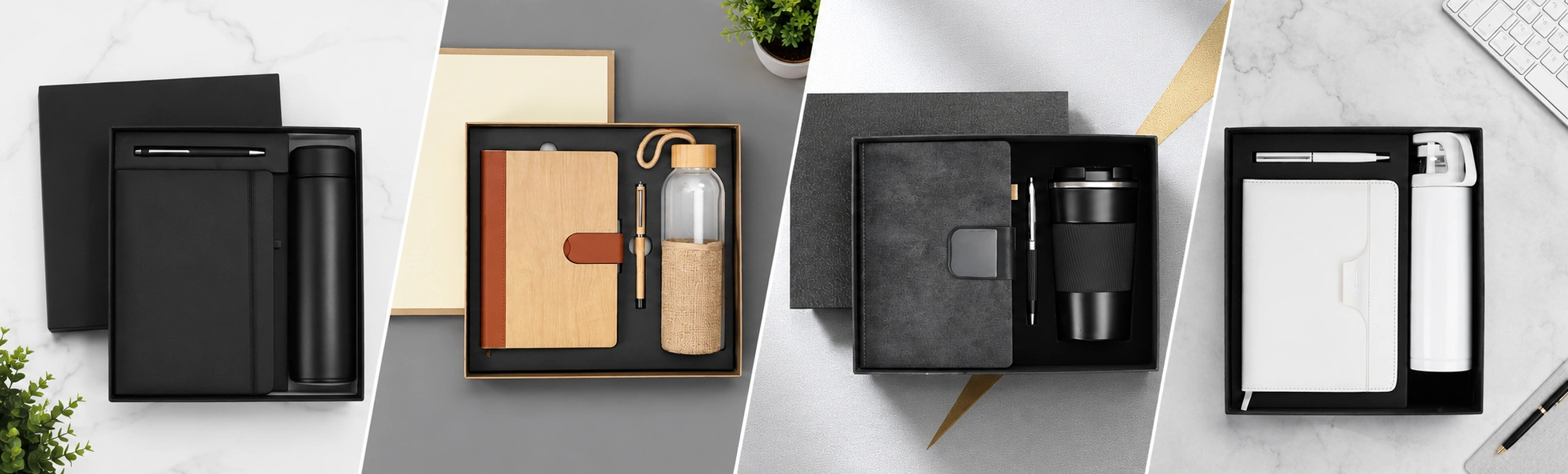
2. Work Essentials & Stationery

The most-used category, and the one that quietly builds daily brand recall. A branded notebook or pen set sees more daily use than almost anything else in the kit.

  • Notebook or diary
  • Pen or pen set
  • Sticky notes / notepad
  • Desk organiser or file folder
  • Desk calendar
  • Visiting card holder (client-facing roles)

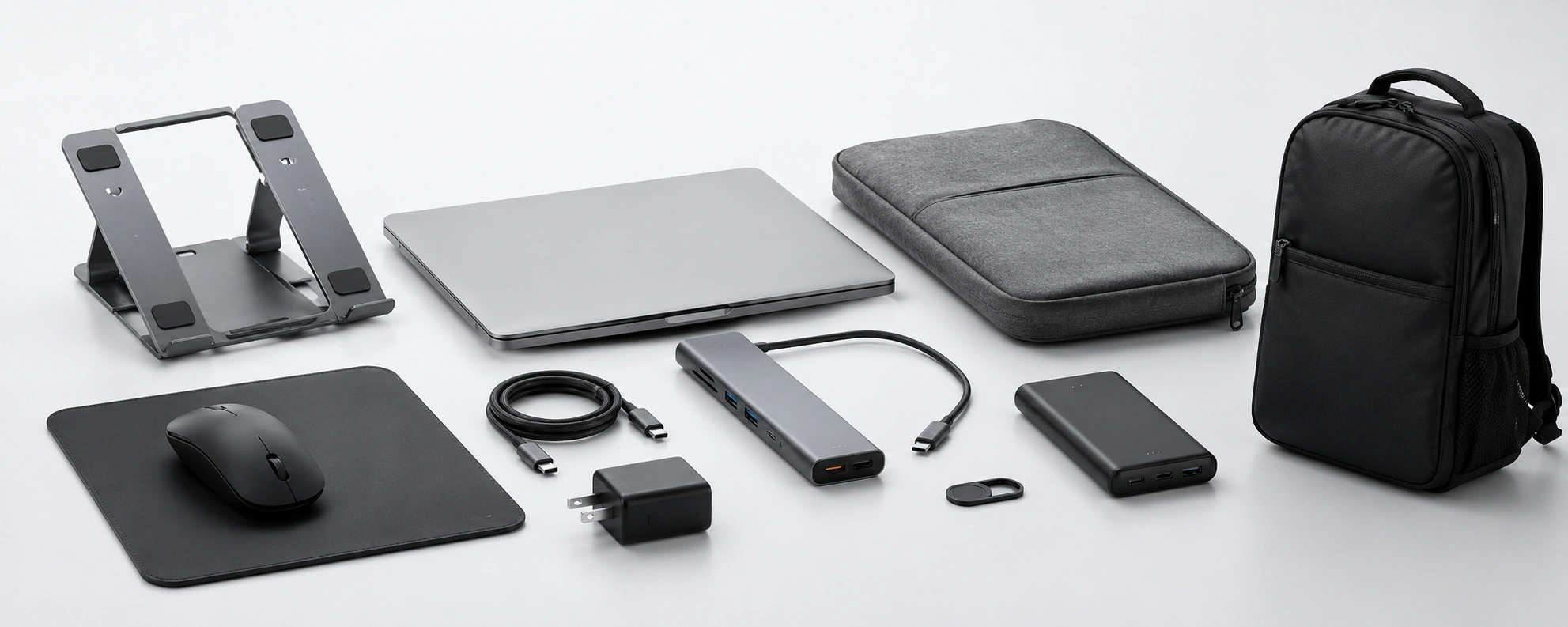
3. Tech & Productivity Accessories

Tech & Productivity Accessories

Especially relevant for IT, hybrid, and remote-first teams. These items solve real day-one friction – no fumbling for a charger or hunting for a mouse.

4. Comfort, Wellness & Personal Items

Signals that the company cares about the person, not just the output. Small additions, but they change how the whole kit feels.

  • Reusable water bottle
  • Herbal tea or coffee sachets
  • Snacks (individually packed)
  • Desk plant
  • Coffee mug – check our mugs collection
  • Hand sanitiser or wellness mini-kit

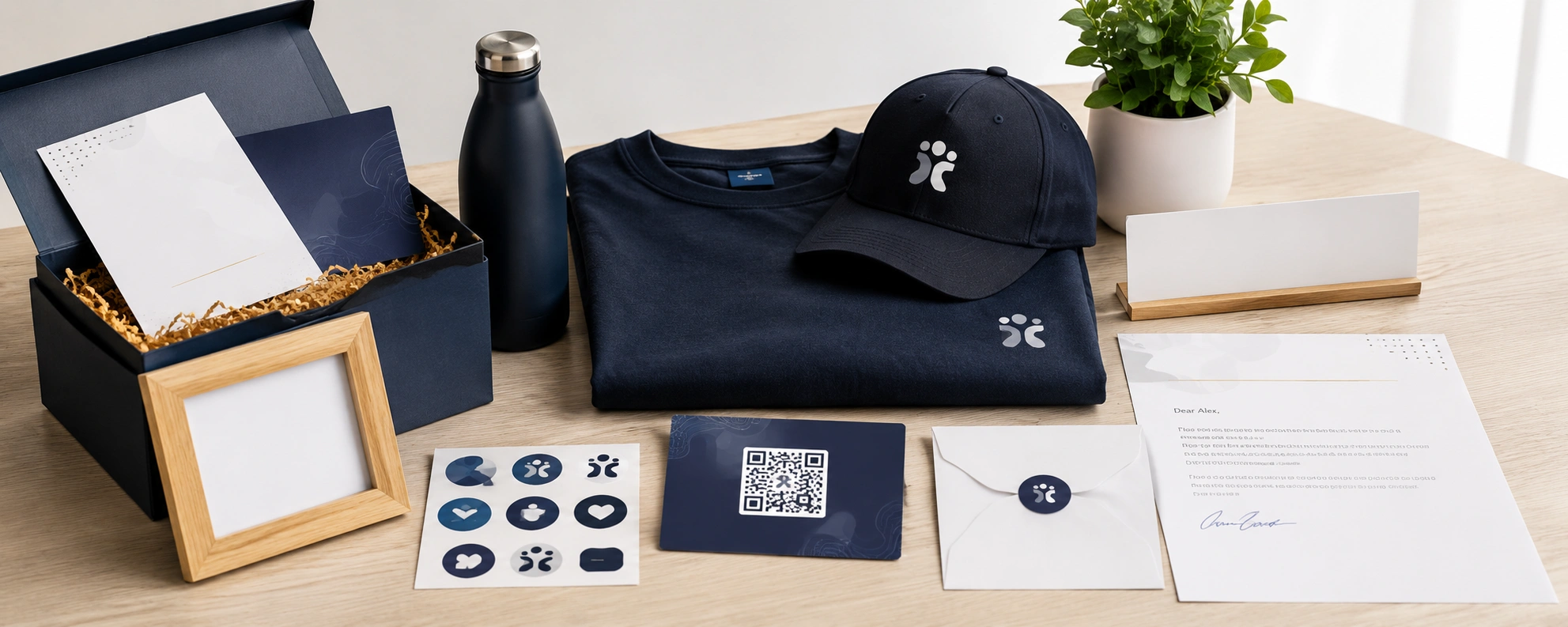
5. Branding, Belonging & Personalisation

Branding, Belonging & Personalisation

This is where the kit stops feeling like standard issue and starts feeling like it was made for this employee.

  • Personalised welcome letter (with the employee’s name, not “Dear Employee”)
  • Branded T-shirt, cap, or sweatshirt
  • Nameplate or desk card
  • Photo frame for the desk – see photo frame options
  • Company sticker sheet or laptop stickers
  • Welcome video QR code/onboarding link card

Which Joining Kit Items Are Must-Haves, Nice-to-Haves, or Better Left Out?

If budget or time is tight, use this priority order rather than cutting randomly across categories.

Priority Items Why
Must-have ID card/holder, notebook, pen, water bottle, welcome letter Used on day one, low cost, high functional value
Nice-to-have Branded T-shirt/cap, desk organiser, tech accessories, snacks Adds warmth and daily utility, moderate cost
Premium / optional Power bank, leather laptop sleeve, wellness hamper, photo frame Best for senior hires or when budget allows
Skip Low-quality filler items, expired food, overly branded merchandise, fragile items Looks like padding rather than thoughtfulness

For a broader read on this trade-off – spending less without the kit feeling cheap – our guide on affordable corporate gifts that don’t compromise on quality breaks down exactly how to make budget items feel premium through packaging and personalisation.

How to Customise the Joining Kit Checklist by Role and Work Mode

A single fixed checklist rarely fits every hire. Adjust it slightly based on who’s receiving it:

Employee Type Prioritise Skip or Reduce
Office-based, entry-level Stationery, ID kit, welcome letter, bottle Premium tech add-ons
Remote / hybrid Tech accessories, WFH essentials, snacks, mug Parking pass, physical ID card
Senior / leadership hire Premium diary, leather accessories, personalised note Branded T-shirts, novelty items
Client-facing role Visiting card holder, professional pen set, notebook Casual swag like caps or stickers

If you’re building kits for a large or varied team, our full corporate gifts for employees category and corporate gift catalogue are organised so you can mix items across these categories without sourcing from multiple vendors.

5 Questions to Ask Before You Finalise Your Joining Kit Checklist

5 Questions to Ask Before You Finalise Your Joining Kit Checklist

Run your kit list against these five questions before placing a bulk order:

  1. Will the employee actually use every item, not just look at it once?
  2. Is at least one item personalised with their name?
  3. Does the kit make sense for their work mode (office, hybrid, remote)?
  4. Can everything be delivered before or on the joining date?
  5. Does the total per-kit cost stay within your approved budget?

If the answer to any of these is “no,” it’s easier to fix the checklist than to fix a bad first impression after 500 kits are already packed.

Common Mistakes to Avoid When Building a Joining Kit Checklist

  • Copying someone else’s kit exactly. What works for a 20-person startup won’t necessarily work for a 2,000-person enterprise rollout.
  • Overloading the box. More items don’t equal more appreciation – a well-chosen 6-item kit beats a cluttered 15-item one.
  • Forgetting remote hires. A checklist built only for office delivery often misses employees who need kits couriered to their home address.
  • No quality check before bulk ordering. Always request a sample kit before confirming a large order – a small error scales fast across hundreds of units.
  • Treating the checklist as final forever. Revisit it every 6–12 months as your team, budget, and culture evolve.

What to Look for in a Joining Kit Gifting Partner

Once your checklist is locked, the next decision is who packs and delivers it. Look for a partner who can:

  • Source every category on this checklist under one order – stationery, tech, drinkware, and branded apparel
  • Personalise at scale (names, department tags, custom packaging)
  • Handle Pan-India delivery, including to remote employees’ home addresses
  • Offer a sample kit for approval before bulk production

If you’re evaluating options, our roundup of the best corporate gifting companies in India covers what separates a reliable gifting partner from one that will slow your onboarding calendar down.

Build Consistent, Checklist-Ready Joining Kits with Office Force

Office Force has spent 20+ years helping HR teams across India – in Delhi and Delhi NCR – turn joining kit checklists into ready-to-ship reality. From a 10-person hiring batch to a 5,000-employee rollout, we handle sourcing, personalisation, and delivery under one order.

  • Every category on this checklist, sourced under one roof 
  • Custom logo, name, and department personalisation 
  • Sample kit approval before bulk production 
  • Pan-India delivery, including remote and home addresses

Frequently Asked Questions

At minimum, include an ID card or holder, a notebook and pen, a water bottle, and a personalised welcome letter. These are low-cost, high-utility items that get used from day one, regardless of role or work mode.

Yes. Remote and hybrid employees benefit more from tech accessories, WFH essentials, and items that can be couriered to a home address, while items like parking passes or physical ID cards can usually be dropped or replaced with digital equivalents.

It depends on the mix of categories included and the seniority of the role. A functional kit with essentials and light branding can be built affordably, while premium kits for senior hires cost more due to higher-quality materials and personalisation.

Between 5–8 well-chosen items usually works better than a large, cluttered box. Prioritise usefulness over quantity - a shorter list of items the employee will actually use always outperforms a longer list of filler.

Yes. Sales, tech, design, and HR roles all use different daily tools, so it's worth adjusting 1–2 items per department - for example, a pitch planner for sales or cable organisers for tech roles - while keeping the core checklist consistent.

Ideally 2–3 weeks before the joining date for standard kits, and 4–6 weeks for large batch orders or heavily personalised kits, to allow time for sourcing, branding, and a sample approval round.

Share:

Add comment

Your email address will not be published. Required fields are marked

Related Articles

Request a Call back

Fill in your details below and our team will contact you shortly .